
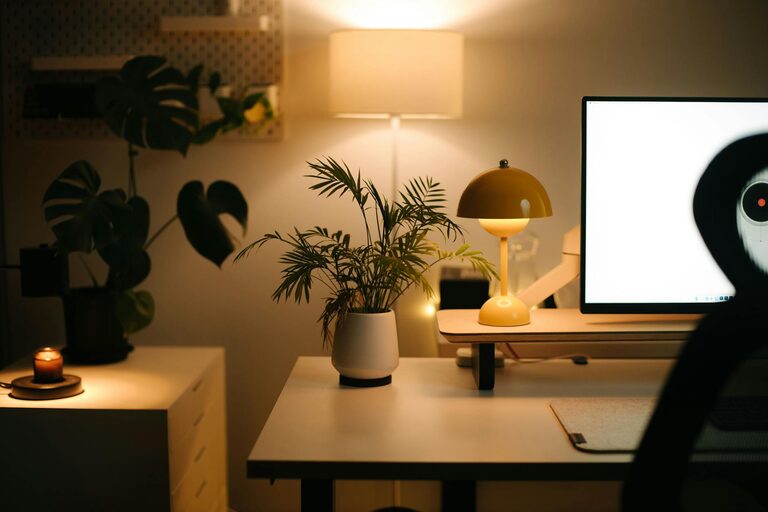
Creating a relaxing home workspace is essential for maintaining focus, comfort, and productivity throughout your workday. Whether you work remotely full-time or occasionally handle tasks at home, having a designated area that promotes calm and efficiency can greatly improve your overall workflow and well-being. This guide outlines simple steps to transform any space into a peaceful and practical home office.
Why a Relaxing Workspace Matters
A cluttered or uncomfortable workspace can lead to distractions, stress, and lower productivity. On the other hand, a well-planned environment helps reduce fatigue, encourages better work habits, and even improves creativity. Striking a balance between functionality and comfort ensures you can work effectively while feeling relaxed.
Step 1: Choose the Right Location
Find a Quiet Spot
Pick a spot in your home that has minimal foot traffic and distractions. It could be a spare room, a corner in the living room, or even a nook near a window. The key is to have a space that feels separate from everyday home activities.
Consider Natural Light
Natural light is known to improve mood and energy levels. If possible, position your desk near a window to take advantage of daylight. If natural light is limited, use soft, warm artificial lighting rather than harsh fluorescents.
Step 2: Focus on Ergonomics
Invest in a Comfortable Chair
Choosing a chair that supports good posture is vital. Look for chairs with adjustable height, lumbar support, and comfortable cushioning. Sitting properly helps prevent back and neck pain.
Optimize Desk Height
Your desk should allow your arms to rest at a 90-degree angle when typing. A desk that’s too high or too low can strain your muscles and reduce comfort.
Position Your Screen Correctly
The top of your computer screen should be at or just below eye level and about an arm’s length away. This helps reduce eye strain and keeps your neck aligned.
Step 3: Declutter and Organize
Keep Essentials Within Reach
Organize your desk so that frequently used items—such as pens, notebooks, or your phone—are easy to reach. Use drawer organizers or desktop trays to keep things tidy.
Limit Distractions
Remove unnecessary items that might distract you during work. Keeping your workspace clear of clutter can help your mind stay focused.
Use Storage Solutions
Shelves, file holders, and storage boxes help keep documents and supplies organized. Label containers to make finding what you need quick and simple.
Step 4: Personalize Your Space
Add Soothing Colors
Colors like soft blues, greens, or neutrals can create a calm atmosphere. Choose paint or décor that feels relaxing but also energizing.
Incorporate Plants
Indoor plants improve air quality and add a touch of nature, which is calming. Choose low-maintenance plants such as succulents or pothos.
Display Inspiring Items
Include photos, artwork, or motivational quotes that make you happy but avoid overcrowding your workspace.
Step 5: Manage Lighting and Noise
Use Layered Lighting
Combine ambient lighting (like ceiling lights) with task lighting (desk lamps) to reduce eye strain and create a balanced environment.
Minimize Noise
If noise is a challenge, use noise-canceling headphones or white noise machines. Soft background music can also promote concentration for some people.
Step 6: Take Breaks and Move
Schedule Short Breaks
Regular breaks every hour help prevent burnout and keep your mind fresh. Use a timer or app to remind yourself to stand up and stretch.
Create a Relaxation Zone
If space allows, set up a small area with a comfortable chair or cushions for short mental breaks. This can help you reset and return to work with renewed focus.
Step 7: Maintain Your Workspace
End Each Day With Tidying
Spend a few minutes organizing your desk before wrapping up work. Starting the next day with a clean space helps set a productive tone.
Reassess Periodically
As your work needs change, adjust your setup. Maybe you need more storage or better lighting. Keep improving your space over time.
—
By following these simple steps, you can create a home workspace that feels inviting, supports your work routine, and helps you stay productive. A relaxing environment not only benefits your professional performance but also your overall sense of well-being.
Remember, the best workspace is one that fits your personal needs and preferences—feel free to experiment and make it uniquely yours!