Creating a relaxing home office environment is essential for maintaining focus, reducing stress, and enjoying your workday. Whether you work remotely full-time or occasionally need a dedicated space, your home office should be a place where you feel calm, organized, and productive. Here are some helpful tips to design a relaxing home office that supports both your well-being and work goals.
Choose the Right Location
The first step in creating a relaxing office is selecting a spot in your home that suits your needs. Ideally, this space should be:
– Quiet: Away from high-traffic or noisy areas to minimize distractions.
– Well-lit: Natural light is best to improve mood and focus, so pick a room or corner near a window.
– Private: A place where you can close the door or create a visual boundary to signal work time.
If space is limited, even a small nook with good lighting and a comfortable chair can work well.
Invest in Comfortable and Supportive Furniture
Your furniture plays a big role in both relaxation and productivity. Consider these pointers:
– Ergonomic Chair: Choose a chair that supports your back and promotes good posture to avoid discomfort.
– Adjustable Desk: A desk at the right height helps prevent strain; standing desks or sit-stand options can add variety to your workday.
– Sufficient Surface Space: Ensure your desk has enough space for your computer, notes, and any tools you regularly use without clutter.
Comfortable furniture reduces physical stress, which helps you stay focused and relaxed longer.
Keep Your Desk Organized and Clutter-Free
Clutter can cause anxiety and reduce efficiency. Here’s how to maintain an organized workspace:
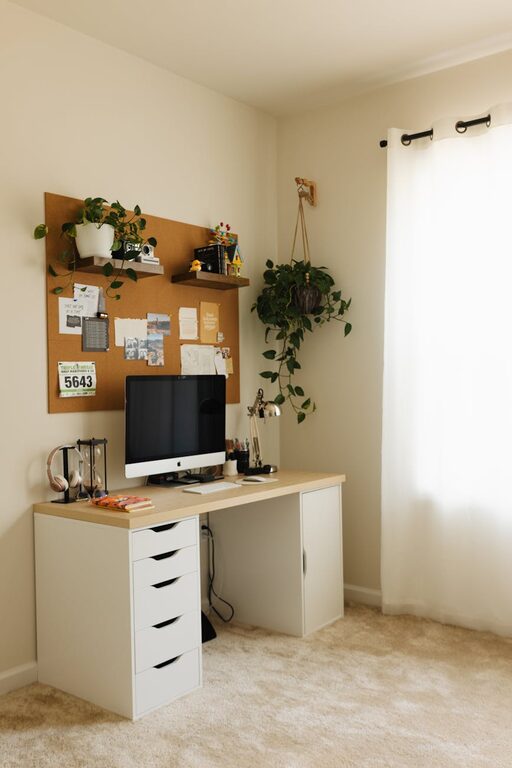
– Use Storage Solutions: Drawers, shelves, and organizers keep supplies neat and accessible.
– Limit Personal Items: While a few personal touches are great, too many can be distracting.
– Daily Cleanup: Spend a few minutes at the end of each day tidying your desk to start fresh the next morning.
An orderly desk improves your ability to concentrate and helps create a sense of calm.
Incorporate Soothing Colors and Decor
Colors and decorations influence the mood of your space. To promote relaxation:
– Choose Calming Colors: Soft blues, greens, or neutrals are often associated with tranquility.
– Add Plants: Indoor plants not only enhance air quality but also bring a touch of nature indoors.
– Display Inspiring Artwork: Pictures or prints that you love can create positive associations with your workspace.
– Avoid Overdecorating: Keep decorations simple to maintain a peaceful atmosphere.
These elements combine to make your office a welcoming place to spend time.
Manage Lighting to Reduce Eye Strain and Mood Swings
Proper lighting is critical for comfort and alertness. Tips include:
– Maximize Natural Light: Position your desk near windows but avoid glare on your computer screen.
– Use Adjustable Lamps: Desk lamps with adjustable brightness and color temperature help tailor lighting to the task.
– Avoid Harsh Overhead Lighting: Soft, diffused lighting reduces eye fatigue and harsh shadows.
Good lighting helps maintain energy levels and reduces headaches.
Minimize Noise and Distractions
A relaxing environment is often quiet or has carefully controlled sound. To reduce noise:
– Use Noise-Cancelling Headphones: Great for blocking out background sounds during focused work.
– Add Soft Textiles: Rugs, curtains, and cushions can absorb sound and create a cozy feel.
– Consider White Noise Machines: Gentle background noise can mask disruptive sounds without being distracting.
Controlling sound helps keep your mind steady and focused.
Personalize Your Space Mindfully
Personal touches make your office comfortable but should be balanced with practicality. Ideas include:
– Family Photos or Mementos: A few meaningful items can boost your mood.
– Scented Candles or Diffusers: Calming scents like lavender or eucalyptus foster relaxation (ensure safety around electronics).
– Motivational Quotes: Display reminders of your goals in a subtle way.
Personalization should enhance your environment, not clutter it.
Maintain Good Air Quality and Temperature
Your comfort depends on fresh air and a comfortable temperature:
– Ventilate Regularly: Open windows when weather permits or use air purifiers indoors.
– Keep Temperature Moderate: Aim for a temperature range that feels comfortable—generally around 68-72°F (20-22°C).
– Add Humidifiers or Dehumidifiers: Depending on climate, controlling humidity can improve comfort.
Good air quality ensures you stay alert and healthy.
Establish a Routine and Boundaries
Finally, a relaxing home office supports not just physical comfort but mental habits:
– Set Work Hours: Defining when work starts and ends helps separate professional and personal life.
– Take Regular Breaks: Step away periodically to stretch, hydrate, and rest your eyes.
– Create a Start-Up Ritual: Starting your day with a consistent routine signals your brain it’s work time.
Building these habits protects your well-being and productivity.
—
By thoughtfully designing your home office with these tips, you can create a peaceful, comfortable environment that encourages focus and reduces stress. Remember that small changes can have a big impact—experiment to find what works best for you and enjoy a workspace that supports both your work and well-being.