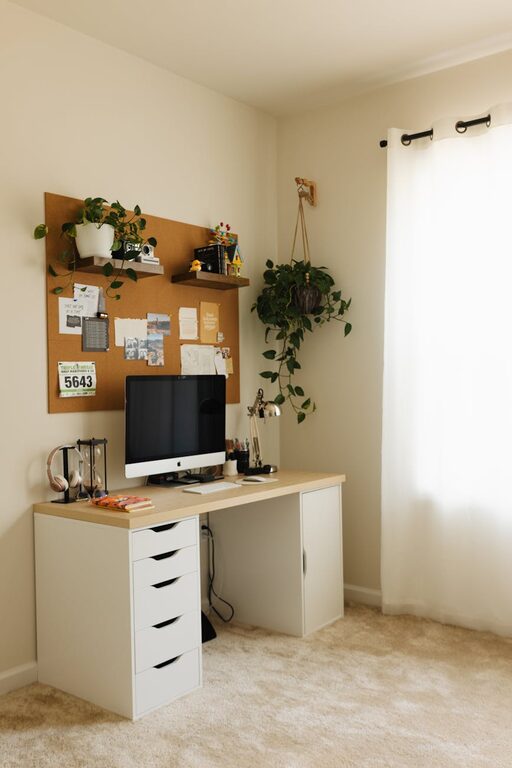

Creating a cozy and inviting home environment is something many of us strive for. A home that feels warm and welcoming not only improves your mood but also makes guests feel comfortable and appreciated. Whether you live in a small apartment or a spacious house, there are plenty of simple strategies to add that cozy charm to your living space. In this post, we’ll explore practical tips and ideas to help you transform your home into a comforting retreat.
Why a Cozy Home Matters
A cozy home promotes relaxation, reduces stress, and helps you recharge after a busy day. It encourages social connections by creating a space where friends and family want to gather. More than just aesthetics, coziness is about the atmosphere — a subtle mix of texture, lighting, scent, and layout that invites you to linger and feel at peace.
Key Elements of a Cozy Home
Before diving into specific tips, it helps to understand the main elements that contribute to a cozy and inviting space:
– Warm lighting: Soft, gentle lighting creates a soothing atmosphere.
– Comfortable furniture: Seating that invites you to relax.
– Textiles and layers: Throw blankets, pillows, and rugs add softness and warmth.
– Personal touches: Items that reflect your personality and memories.
– Clutter control: Organized spaces feel calmer and more inviting.
How to Create a Cozy Home Environment
1. Use Warm and Soft Lighting
Lighting sets the mood in any room. Bright, harsh overhead lights often make spaces feel cold or clinical. Instead, opt for:
– Lamps with warm-colored bulbs (2700K to 3000K)
– String lights or fairy lights for a subtle glow
– Candles or flameless LED candles for ambiance
– Dimmers to adjust light intensity
Position lamps in corners or near seating areas to create pockets of warmth and visually soften the room.
2. Layer Textiles for Texture and Warmth
Textiles are an easy and affordable way to instantly add coziness:
– Soft throw blankets draped over sofas or chairs invite snuggling.
– Plush pillows in varied sizes and fabrics add comfort and visual interest.
– Area rugs help define spaces and provide warmth underfoot, especially on hardwood or tile floors.
– Curtains or drapes can also soften the look of windows and help keep rooms warmer during cooler months.
Choose colors and patterns that complement your decor. Mix natural fabrics like cotton, wool, or linen with tactile elements such as faux fur or velvet for variety.
3. Arrange Furniture to Encourage Togetherness
The layout of your furniture influences how inviting your space feels.
– Arrange seating to face each other to encourage conversation.
– Avoid pushing all furniture against the walls; pulling pieces inward creates intimacy.
– Add small side tables to hold drinks or books within easy reach.
– Consider multi-functional furniture for smaller spaces, such as ottomans with storage.
Make sure walkways remain clear, but aim for a comfortable flow that doesn’t feel too formal.
4. Personalize Your Space with Meaningful Items
Personal touches give your home character and make it uniquely yours:
– Display photos of loved ones in tasteful frames.
– Incorporate souvenirs, art, or heirlooms that spark happy memories.
– Include plants or flowers, which add life and freshen the air.
– Create a dedicated reading nook or hobby corner with your favorite items close by.
These elements invite guests to connect with your story while making you feel truly at home.
5. Keep Clutter Under Control
While some mess is natural, too much clutter can create stress and make a room feel chaotic rather than cozy.
– Use baskets, trays, and storage solutions to keep surfaces tidy.
– Adopt a regular tidying routine to maintain order.
– Prioritize open space, so rooms don’t feel overcrowded.
– Only display items that add to the space’s warmth or meaning.
A clutter-free environment encourages relaxation and makes cleaning easier.
6. Use Calming Colors and Natural Materials
Colors affect our mood. Opt for soothing neutrals or warm tones like soft browns, creams, muted greens, or warm grays. Natural materials such as wood, stone, and rattan add organic texture that feels grounding and inviting.
Avoid overly bright or cold colors in large areas, as they can be overwhelming or impersonal. Instead, introduce pops of color through accessories like pillows, throws, or art.
7. Add Scent for a Final Cozy Touch
Our sense of smell strongly influences feelings of comfort and relaxation. Use subtle scents to enhance the cozy vibe:
– Essential oil diffusers with lavender, vanilla, or sandalwood
– Fresh flowers or herbs like rosemary and eucalyptus
– Scented candles or wax melts with natural fragrances
Avoid overpowering scents; the goal is a gentle background aroma that elevates the atmosphere.
8. Create Zones for Different Activities
Designating areas for specific purposes supports functionality and comfort, especially in open-plan homes.
– A reading nook with a comfy chair, good lighting, and a side table
– A cozy breakfast corner with cushions and soft lighting
– A media area with plush seating and blankets for movie nights
Zoning helps you relax and focus on the moment, turning your home into a true sanctuary.
Final Thoughts
Creating a cozy and inviting home is about more than just decorating; it’s about crafting an atmosphere where you and your loved ones can feel relaxed, safe, and happy. By focusing on lighting, textiles, layout, personalization, and atmosphere, you can transform your space into a welcoming haven that reflects your personality and lifestyle. Start small with a few simple changes and enjoy the lasting comfort and warmth that a cozy home provides.