
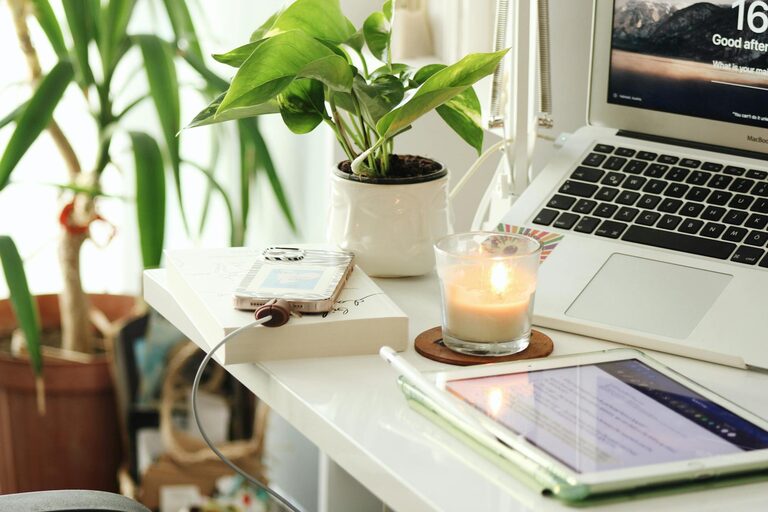
Creating a home workspace that balances coziness and productivity can transform the way you work. Whether you’re freelancing, working remotely, or managing household tasks, a well-designed space encourages focus and comfort. In this post, you’ll find practical tips to help you build a home workspace that suits your needs and boosts your efficiency.
1. Choose the Right Location
Finding the ideal spot for your workspace is the foundation of a productive environment.
– Quiet and Low-Traffic Area: Pick a part of your home with minimal distractions, away from noisy areas like the kitchen or living room.
– Natural Light: Whenever possible, set up near a window to enjoy daylight. Natural light improves mood and reduces eye strain.
– Space for Movement: Ensure there’s enough room for your chair, desk, and any other work essentials without feeling cramped.
2. Invest in Comfortable Furniture
Comfort influences how long and how effectively you can work.
– Ergonomic Chair: Choose a chair that supports your back and allows adjustable height to keep your feet flat on the floor.
– Desk at Correct Height: Your desk should allow your elbows to rest at a 90-degree angle while typing or writing.
– Consider Alternatives: Standing desks or adjustable sit-stand converters can be beneficial if you want to move during the day.
3. Organize Your Workspace
A clutter-free space helps clear your mind and focus.
– Use Storage Solutions: Shelves, drawers, and containers keep supplies and documents organized and within reach.
– Minimal Decor: Keep decorations simple and meaningful; too many items can distract.
– Cable Management: Use clips or cable sleeves to keep wires tidy and prevent tangling.
4. Personalize with Cozy Elements
Adding small touches can make your workspace more inviting.
– Soft Textiles: A cozy blanket or a small cushion on your chair adds warmth.
– Plants: Indoor plants improve air quality and create a calming atmosphere.
– Lighting: Besides natural light, use warm desk lamps or string lights to create a soft ambiance.
5. Focus on Proper Lighting
Good lighting reduces eye strain and increases alertness.
– Task Lighting: Use adjustable desk lamps to provide direct light on your work surface.
– Avoid Glare: Position your screen to minimize reflections from windows or lights.
– Balance Brightness: Combine natural light with balanced artificial light for even illumination.
6. Establish Work Zones
If space allows, creating specific zones can improve workflow.
– Work Area: Dedicated desk and computer equipment.
– Reference Zone: Bookshelves or filing cabinets for quick access to materials.
– Break Space: A comfortable chair or small corner for quick mental breaks.
7. Minimize Distractions
Keeping interruptions under control helps maintain productivity.
– Turn Off Notifications: Silence smartphone and computer alerts during work periods.
– Use Headphones: Noise-cancelling headphones or calming music can block out background noise.
– Communicate Boundaries: If you share your home with others, kindly establish your working hours and space boundaries.
8. Keep Essentials Within Reach
Having important items nearby prevents interruptions and saves time.
– Office Supplies: Pens, notebooks, chargers, and other frequently used items.
– Water and Snacks: Stay hydrated and energized without leaving your workspace.
– Calendar or Planner: Track appointments and deadlines easily.
9. Maintain Regular Cleaning
A tidy workspace encourages positive habits and keeps things running smoothly.
– Daily Desk Tidy: Spend a few minutes at the end of each day to clear clutter.
– Weekly Deep Clean: Dust surfaces, clean your keyboard, and organize paper piles.
– Refresh Often: Replace worn or broken items to keep your space functional.
10. Customize to Your Work Style
Everyone works differently, so tailor your workspace accordingly.
– Visual vs. Audio Learners: Use whiteboards or sticky notes for visual thinkers; podcasts or background music might help auditory learners.
– Creative vs. Analytical Tasks: Bright colors or art may inspire creativity, while minimal design supports analytical work.
– Flexible Layout: Rearrange furniture or use portable storage to adapt when needs change.
—
Building a cozy and productive home workspace is about combining comfort with function. By selecting the right location, investing in proper furniture, maintaining organization, and personalizing the environment, you can create a space that motivates you to do your best work each day. Remember that your workspace should reflect your personal preferences and work habits, so don’t be afraid to experiment and adjust as you go along. Happy working from home!